
Roof Repair
Roof repair fixes localized damage — missing or cracked shingles, failed flashing, damaged vents, or a small leak — without replacing the entire roof.
Roof Repair in ColoradoWe connect Colorado homeowners and property managers with independent local roofing contractors — for hail damage, storm repair, leaks and full roof replacement. Free inspections across 50 cities.

Colorado Roofing Pros is a free referral service that connects property owners across Colorado with independent local roofing contractors. Call (720) 791-0495 and we match you — by jurisdiction — with a contractor who can inspect your roof, document storm damage for an insurance claim, and carry out the repair or replacement. Most storm inspections are free.
This is not marketing language. Colorado's Front Range sits in the heart of what meteorologists call Hail Alley — the corridor that receives the highest frequency of large hail in North America and most of the world. The damaging hail season runs from roughly mid-April to mid-September.
According to the Rocky Mountain Insurance Information Association, Colorado residents can typically count on three or four catastrophic hailstorms a year, where "catastrophic" means at least $25 million in insured damage apiece. Over the past decade, hailstorms have caused more than $5 billion in insured damage across the state. The single most destructive event was the May 2017 storm, producing roughly $2.3 billion in damage across about 267,000 claims.
Hail is only part of it. Downslope windstorms off the Front Range strip shingles in winter, entirely outside hail season, hitting communities from Boulder and Golden through Superior and Louisville. High-altitude ultraviolet exposure ages asphalt faster than at sea level. Mountain towns carry snow loads that would collapse a roof built to plains specifications. And across the whole state, wide daily temperature swings work at fasteners, seams and flashing year after year.
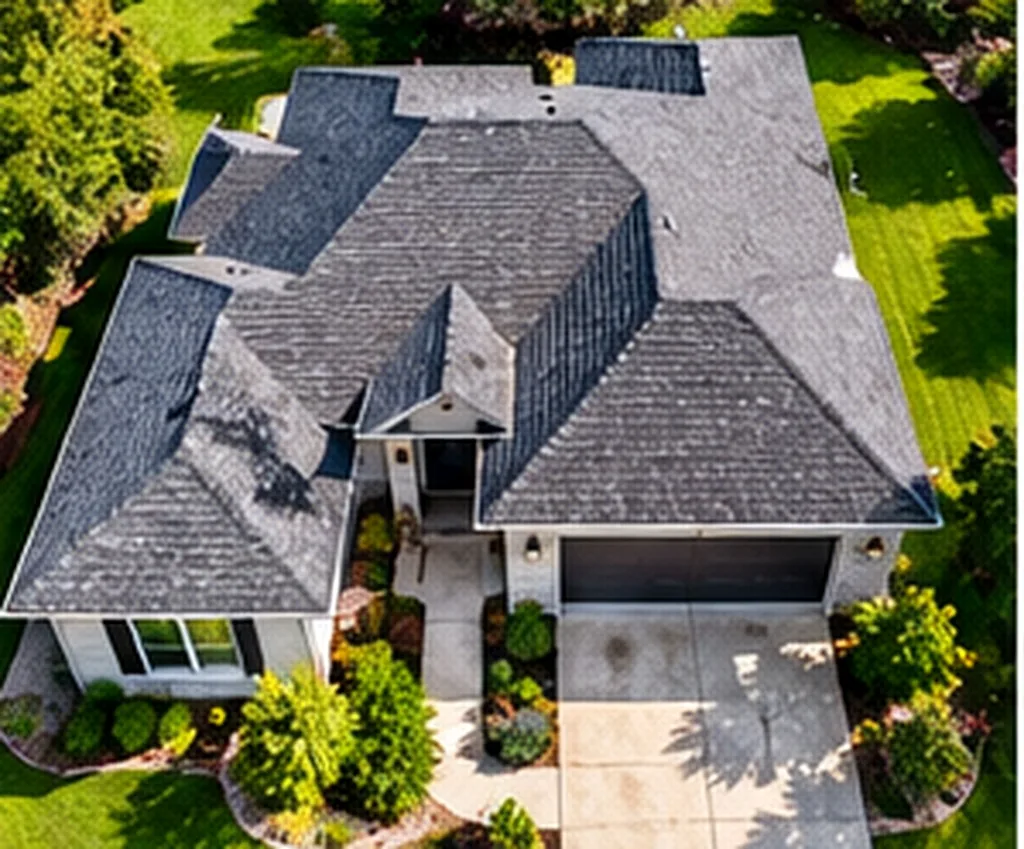
Every contractor in our network handles the core residential work — repair, replacement and storm damage. Some specialise further in metal, tile or commercial low-slope systems. Tell us what you are dealing with and we match accordingly.
Roof repair fixes localized damage — missing or cracked shingles, failed flashing, damaged vents, or a small leak — without replacing the entire roof.
Roof Repair in ColoradoRoof replacement removes the existing roof covering down to the deck and installs a complete new system: underlayment, ice-and-water barrier, flashing, field material and ventilation.
Roof Replacement in ColoradoHail damage roof repair addresses impact damage — bruised shingles, granule loss, cracked tiles and dented metal — usually through a homeowners insurance claim.
Hail Damage Roof Repair in ColoradoStorm damage roof repair covers wind, snow, ice and impact damage from debris — blown-off shingles, lifted ridge caps, torn flashing, ice dams and fallen limbs.
Storm Damage Roof Repair in ColoradoA roof inspection is a documented assessment of a roof's condition, covering the field material, flashing, penetrations, drainage and attic ventilation.
Roof Inspection in ColoradoEmergency roof repair is immediate intervention to stop water entering a building — tarping an opening, containing an active leak, or stabilising storm-damaged material.
Emergency Roof Repair in ColoradoRoof leak repair means finding where water is actually entering the roof system and sealing that entry point — which is rarely directly above the stain on your ceiling.
Roof Leak Repair in ColoradoGutters collect roof runoff and move it away from the foundation.
Gutter Installation & Repair in ColoradoMetal roofing uses interlocking panels or shingles — most commonly standing seam — instead of asphalt.
Metal Roofing in ColoradoCommercial roofing covers flat and low-slope systems — typically TPO, EPDM, PVC or modified bitumen — on business, industrial, multifamily and institutional buildings.
Commercial Roofing in ColoradoWe want to be straightforward about what we are, because a lot of sites in this industry are not. Colorado Roofing Pros is a referral service. We do not climb on roofs, install shingles or employ roofing crews. What we do is connect you with an independent local roofing contractor who can legally work at your address.
That last part matters more in Colorado than most people realise. There is no statewide roofing licence here. Roofers are licensed and permitted at the city or county level, and the state contains a great many separate authorities with different requirements — Denver runs its own contractor licensing, El Paso County operates through the Pikes Peak Regional Building Department, and unincorporated communities like Highlands Ranch permit through their county. A contractor able to work in one jurisdiction is not automatically able to work in the next.
We ask three things: where the property is, what the problem looks like, and whether a storm was involved. It is a short conversation.
We connect you with a contractor who covers your area and can pull a permit where your property actually sits — including sorting out whether your address is inside a city boundary or in unincorporated county land.
They contact you directly to arrange it. Storm damage inspections are generally free, and you should receive a written assessment with photographs.
The contractor explains whether you are looking at a repair, a replacement, or a problem that is not actually the roof. Any agreement is between you and them.
The contractor pulls the permit, orders materials and schedules the job. If insurance is involved, a good contractor attends the adjuster inspection with you.
The service is free to you. We are compensated by the contractors in our network, which is the standard arrangement for referral services and which we would rather state plainly than hide. You pay the contractor for the roofing work itself.
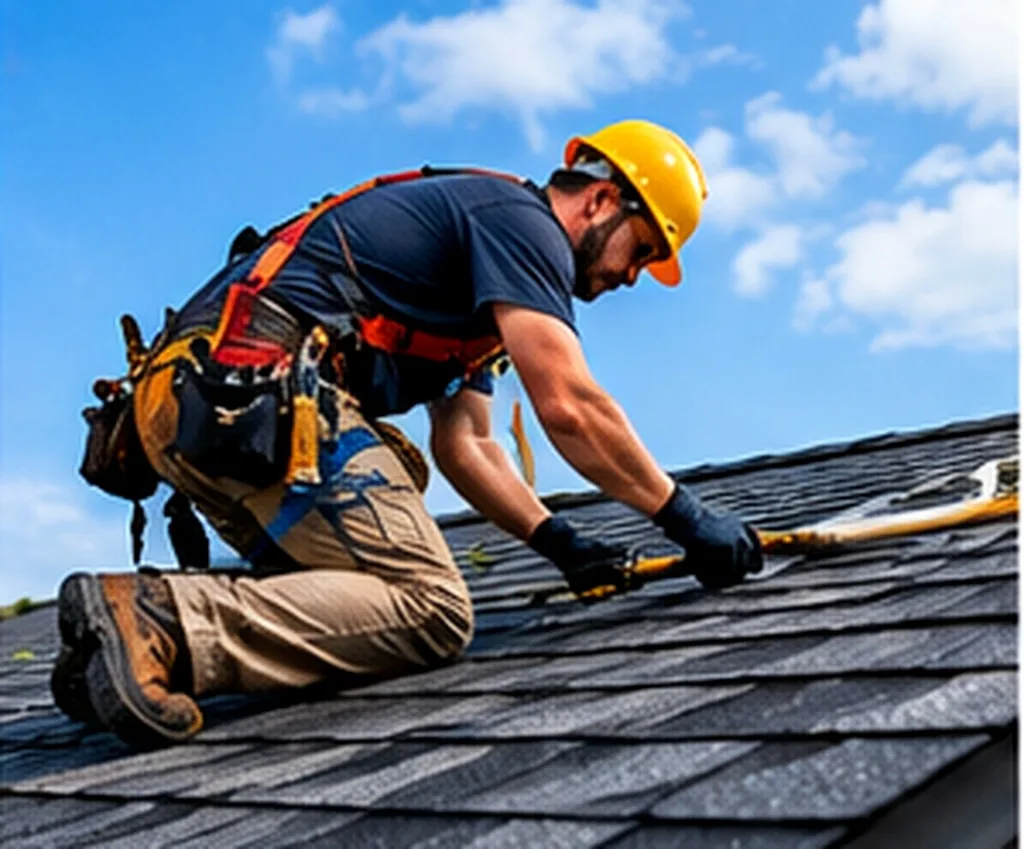
Roofs here fail in recognisable ways, and most of those failures trace back to the climate rather than to poor construction. Knowing the pattern helps you spot a problem before it reaches your ceiling.
An impact knocks granules away and fractures the mat beneath. The shingle stays in place but stops shedding water properly and begins degrading under UV. Frequently invisible from the ground.
Hail Damage Roof RepairWind breaks the factory seal and the shingle falls back looking normal. It is no longer sealed, and the next wind event lifts it further. This is why a roof can look fine after a storm and fail months later.
Storm Damage Roof RepairThe rubber collar around a pipe is usually the first component on a Colorado roof to fail from ultraviolet exposure. A very common and very fixable leak source.
Roof Leak RepairMost persistent leaks trace back to flashing where the roof meets a wall, chimney or dormer — not to the shingles themselves.
Roof RepairAttic heat melts roof snow, meltwater refreezes at the cold eave, and the resulting ice ridge pushes water backwards under the shingles. The real fix is ventilation, not roofing.
Storm Damage Roof RepairExhaust vents without matching soffit intake leave the attic hot in summer and contribute to ice damming in winter. Extremely common in homes built before current standards.
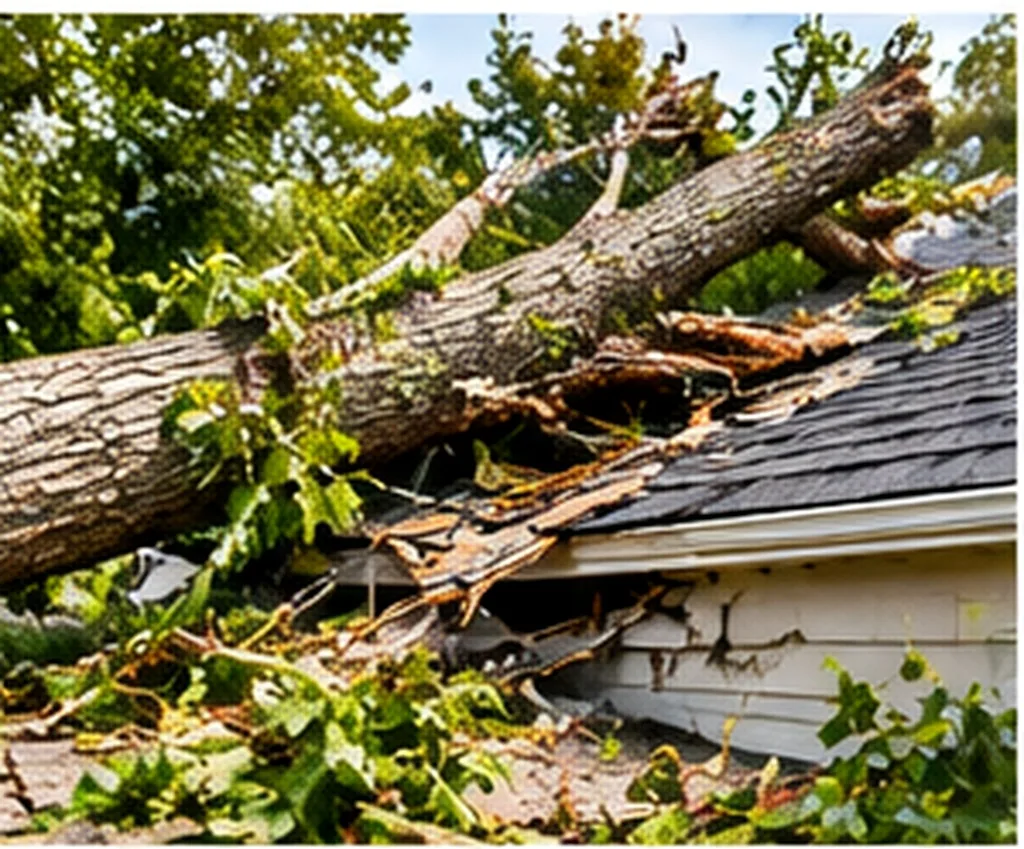
Roof InspectionHeavy wet spring snow loads onto trees that still have leaves, bringing limbs down onto roofs. Can puncture the deck and needs immediate stabilisation.
Emergency Roof RepairBlocked gutters overflow against the fascia, rot the deck edge, and make ice damming considerably worse going into winter.
Gutter Installation & Repair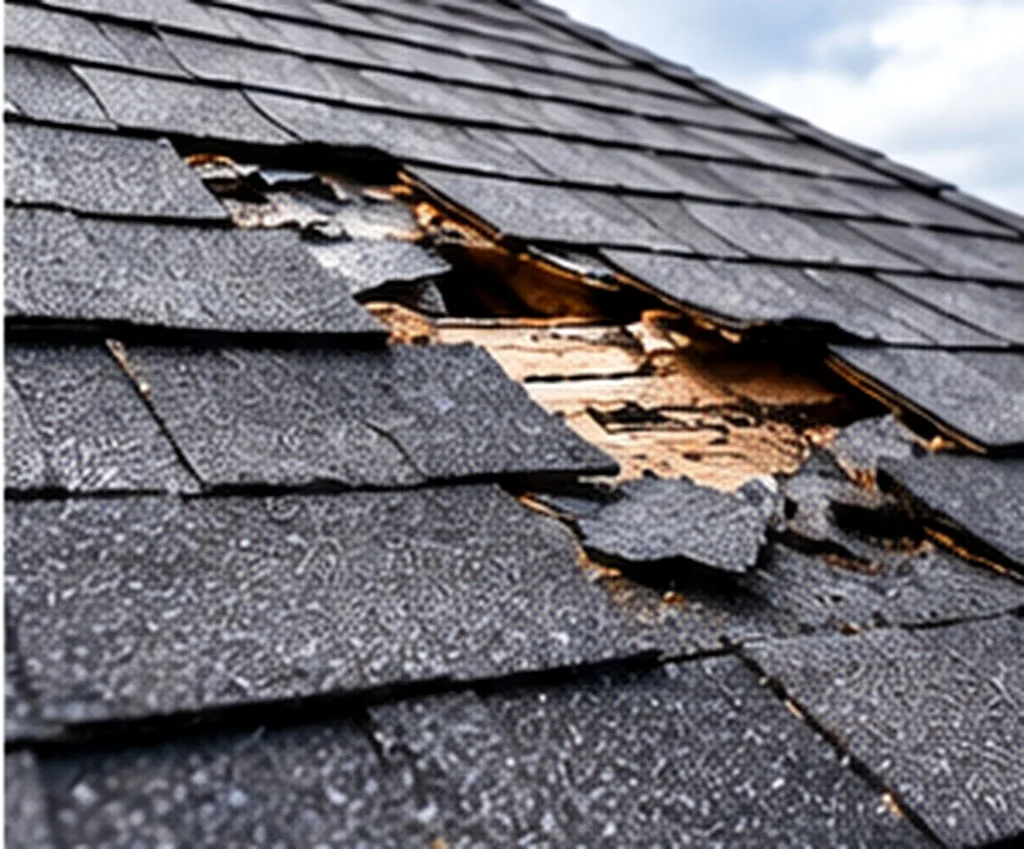
We cover fifty Colorado cities across four regions. Contractor density is highest along the Front Range corridor and thinner in rural and mountain communities, and we will tell you honestly what the realistic response timeframe looks like for your area rather than promising same-day coverage statewide.
20 cities — Denver, Aurora, Lakewood, Thornton, Arvada, Westminster and more.
Denver Metro roofing16 cities — Fort Collins, Greeley, Longmont, Loveland, Boulder, Lafayette and more.
Northern Colorado roofing7 cities — Colorado Springs, Fountain, Monument, Woodland Park, Pueblo, Pueblo West and more.
Southern Colorado roofing7 cities — Grand Junction, Fruita, Montrose, Durango, Glenwood Springs, Rifle and more.
Western Slope & Mountains roofingWe are not going to tell you that every contractor in our network holds a particular certification, because we would be claiming something we cannot verify for every company. What we can do is tell you exactly what to check — and these checks filter out most of the operators you should avoid.
Colorado roofing attracts storm-chasing companies after every major hail event. They arrive from out of state, work fast, and are gone before the workmanship problems surface. The checks below are not bureaucratic box-ticking; they are the difference between a workmanship warranty that means something and one that does not.
The contractors we refer you to are established Colorado businesses working in the jurisdictions they serve. Where a specific contractor holds a specific credential — a manufacturer certification, a local licence, a professional membership — that credential belongs to them, and we encourage you to verify it with them directly. We do not present any contractor's reputation, ratings or experience as our own.
For the full picture of your statutory protections, including the 72-hour rescission right and the deductible prohibition, see our Colorado roof insurance claim guide.
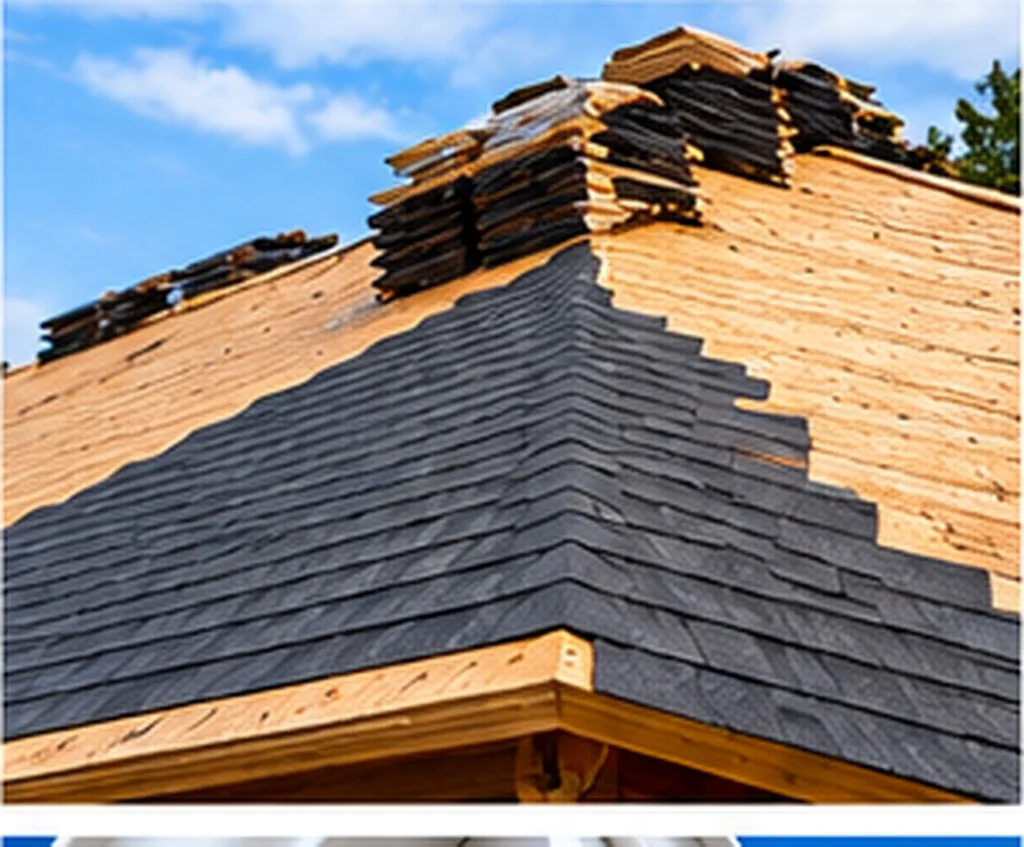
The sequence matters, both for your property and for the strength of any insurance claim. Insurance policies set deadlines for reporting storm damage, and the connection between a specific storm and your damage gets harder to establish as time passes.
If water is actively entering the building, skip the sequence and call immediately — that is emergency roof repair, and every hour of intrusion spreads further into insulation, drywall and framing.
No. We are a free referral service that connects Colorado property owners with independent local roofing contractors. We do not perform roofing work. The contractors we refer you to are separate businesses carrying their own licensing, insurance and warranties, and any work agreement is between you and them.
Nothing. The service is free to you. We are compensated by the contractors in our network, which is the standard arrangement for referral services in this industry. You pay the contractor for the roofing work itself.
Colorado issues no statewide roofing licence. Roofing contractors are licensed at the city or county level — common in larger jurisdictions — and every roofing project requires a permit from the local authority before work begins, regardless of the size of the municipality. So the question to ask is not whether they are licensed in Colorado, but whether they are licensed and permitted in your specific jurisdiction.
No. Colorado law specifically prohibits a residential roofing contractor from paying, waiving, rebating or offering to rebate all or part of your insurance deductible. A contractor who offers this is breaking the law, and it is the clearest single indication that you should not hire them.
Within a few weeks. Hail damage is frequently invisible from the ground — a bruised shingle often does not leak for a year or more — while insurance policies limit how long after a storm a claim can be filed. An inspection costs you nothing and creates a dated record of the roof's condition.
Storm damage inspections generally are, from most contractors in our network. Specialist inspections such as pre-purchase reports or infrared moisture surveys usually carry a fee, and the contractor will tell you before booking. Confirm which you are getting when you call.
It depends on your location and on whether a widespread storm has just occurred. Along the Front Range corridor, contractor density is high and response is usually quick. In rural and mountain communities, crews travel further. After a major regional storm, every roofer in the affected area is fielding calls at once. We give realistic timeframes rather than optimistic ones.
Fifty cities across four regions — the Denver metro, northern Colorado, southern Colorado, and the Western Slope and mountains. Our service areas page lists every city we cover. If yours is not listed, call anyway; our contractor network reaches beyond the established service areas.
It depends on how widespread the damage is, how much service life the roof has left, and whether insurance is involved. Localized damage on a roof with years remaining is a repair. Damage across multiple slopes, or a roof near the end of its life, generally points to replacement. A free inspection answers this properly.
Yes. We connect business owners, property managers and HOA boards with contractors who work on low-slope commercial systems — TPO, EPDM, PVC and modified bitumen — rather than residential-only roofers. Say it is a commercial property when you call.
Tell us where the property is and what you are seeing. We will connect you with an independent local contractor who can pull a permit in your jurisdiction.
(720) 791-0495Mon–Fri 7am–7pm · Sat 8am–5pm · Sun 9am–4pm (MT)