
Roof Inspection in Colorado
Book a free roof inspection in Colorado.
- Free storm damage inspections
- Independent local contractors
- Written scope and documentation
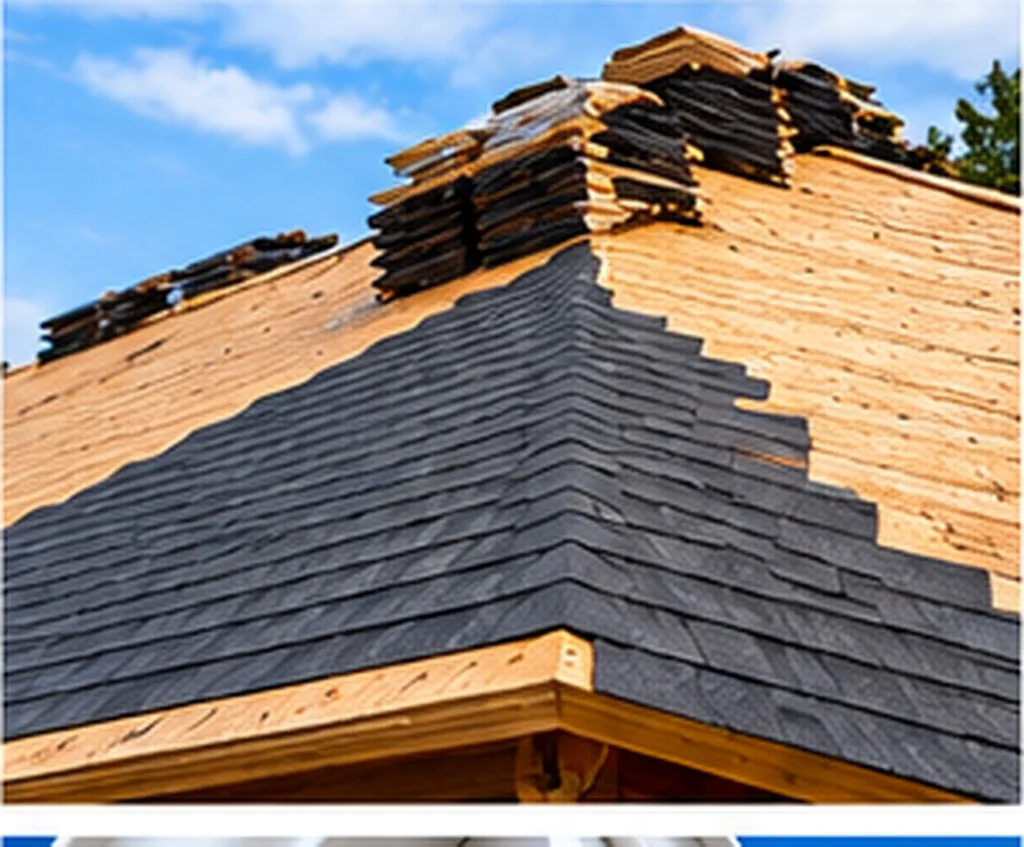
A roof inspection is a documented assessment of a roof's condition, covering the field material, flashing, penetrations, drainage and attic ventilation. In Colorado it is most often requested after a hail or wind event, before a property sale, or as routine maintenance on an ageing roof. Most contractors in our network provide storm inspections at no charge.
What a thorough roof inspection covers
A real inspection is more than a look at the shingles. The roof is a system, and most failures happen at the transitions — where the field material meets something else.
A competent inspector works through the exterior and the interior. Outside, they assess the field material for wear, impact and wind damage across every slope; check flashing at walls, chimneys, skylights and valleys; inspect penetrations including plumbing boots and vents; evaluate gutters, downspouts and drip edge; and look at fascia and soffit condition. Inside, they get into the attic to check for daylight, active or historic moisture staining, insulation condition and — importantly — whether the ventilation is actually balanced.
What you should receive at the end is a written report with photographs, identifying what was found, where, and what it means. A verbal "your roof looks fine" is not an inspection, and it is worthless if you later need to support an insurance claim.
When you should get a roof inspected
Timing matters more than most homeowners realize, particularly where insurance is involved.
The situations that warrant an inspection:
- After any significant hail or wind event. Damage is often invisible from the ground and claim windows close. This is the single most important one in Colorado.
- Before buying or selling a property. Roof condition is a common negotiation point, and a general home inspection does not go into roofing depth.
- Annually once the roof passes ten years old, or after any unusually severe season.
- When you see interior warning signs — ceiling stains, attic daylight, or a musty attic smell.
- Before a solar installation, because a roof nearing the end of its life should be replaced before panels go on rather than after.
- When your insurer requests it, typically at policy renewal or when writing a new policy on an older home.
- After recurring ice dams, to assess whether ventilation and insulation are the underlying cause.
Storm inspections and insurance documentation
A post-storm inspection serves a different purpose from a maintenance inspection: it builds the evidentiary record for a claim. The inspector marks test squares on each slope and counts impacts within them, which is the same method an insurance adjuster uses. That allows a direct comparison when the adjuster arrives.
Good practice is for your contractor to attend the adjuster inspection with you. Damage gets identified and agreed on the roof rather than disputed in writing afterwards, and an experienced contractor will raise items an adjuster has missed — flashing, vents, gutters and other components that are part of the loss but easy to overlook.
If the storm was a hail event specifically, our hail damage roof repair page covers what inspectors look for and how the per-square assessment works. For wind, snow and debris events, storm damage roof repair covers the differences.
What a roof inspection costs in Colorado
Storm damage inspections are generally provided free by roofing contractors, including those in our network. The economics are straightforward: if the inspection finds damage, the contractor is positioned to do the work.
Inspections for other purposes may carry a fee. A detailed pre-purchase inspection with a formal written report, or a specialist assessment involving infrared moisture scanning or drone survey, typically costs something — and is usually worth it, because the report is independent of whether any work follows.
Be clear about which kind you are booking when you call. A free storm inspection and a paid pre-sale inspection produce different documents for different audiences.
How to read an inspection report
A useful report distinguishes clearly between three things: damage that needs immediate attention, deterioration that should be monitored, and normal wear consistent with the roof's age. A report that presents everything as urgent is a sales document, not an assessment.
Look for specificity. "Flashing damage at north-facing chimney, photo 7, allowing water entry at the step flashing" tells you something. "Flashing issues" does not. Every finding should be tied to a photograph and a location.
The report should also tell you what the roof's remaining service life looks like and whether the recommendation is targeted repair or full replacement — with the reasoning behind that recommendation stated. If you are unsure about a report you have been given, calling a second Colorado roofing contractor for another opinion is entirely reasonable, and good contractors expect it on larger jobs.
Whichever situation applies to you, the starting point is the same: an inspection from a contractor who can legally work at your address. We connect property owners with a second Colorado roofing contractor across all fifty cities we cover, matched by jurisdiction rather than by whoever happens to be nearest. If you are weighing this service against another option, our overview of roofing specialists across Colorado sets out everything we help with.
Roof Inspection — common questions
Is a roof inspection really free?
Storm damage inspections generally are, from most Colorado roofing contractors including those we refer you to. Specialist inspections — pre-purchase reports, infrared moisture surveys, formal engineering assessments — usually carry a fee. Confirm which you are getting when you book.
How long does a roof inspection take?
A typical residential inspection takes 45 minutes to an hour and a half, depending on roof size and complexity. A detailed storm assessment with test squares marked on each slope and full photo documentation takes longer. Adding an attic assessment adds time but is worth it.
Do I need to be home for the inspection?
Not strictly for the exterior portion, but it is better if you are. The attic assessment needs interior access, and being present means you can ask questions on the spot and see the photographs as they are explained. For a storm claim, it is useful to be there.
Can I inspect my own roof?
You can and should do a ground-level check — look for dented gutters and vents, granules at downspouts, and missing shingles, and check the attic for daylight and staining. Do not get on the roof. Colorado pitches are steep, storm-damaged shingles are unstable, and walking a compromised roof can cause damage and serious injury.
How often should a roof be inspected in Colorado?
Annually once the roof passes about ten years old, and after any significant hail or wind event regardless of age. Given that Colorado averages three to four catastrophic hailstorms a year, post-storm checks are more relevant here than an annual calendar reminder.
Roof Inspection across Colorado
We connect property owners with contractors offering roof inspection in every city we cover. These are our busiest areas for this service:
See all 50 Colorado cities we cover →
Related roofing services
Get a free roof inspection quote
Call and we will connect you with an independent local roofing contractor covering your area.
(720) 791-0495Mon–Fri 7am–7pm · Sat 8am–5pm · Sun 9am–4pm (MT)