
Roofing Contractors in Southern Colorado
Roofing contractors across southern Colorado — Colorado Springs, Pueblo, Fountain, Monument and the Pikes Peak region.
- 7 cities covered
- Independent local contractors
- Free storm inspections
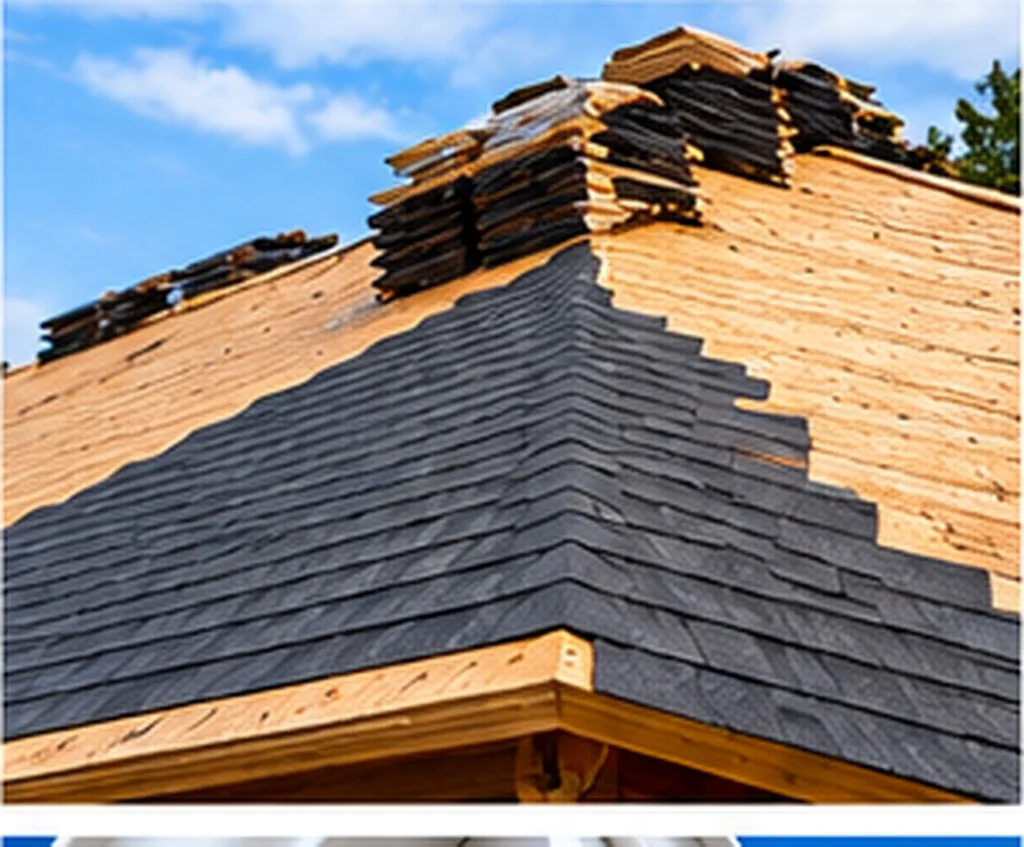
Southern Colorado roofing centres on the Pikes Peak region and the Arkansas valley. Elevation drives UV exposure and snow loads in the north of the region, while Pueblo and the Arkansas valley are warmer, drier and lower. Permitting across El Paso County runs through a single regional authority.
The Pikes Peak region and its regional building authority
Southern Colorado has one notable administrative difference from the rest of the state. Across El Paso County — including Colorado Springs, Fountain and Monument — building permits and contractor licensing are handled by the Pikes Peak Regional Building Department rather than by each municipality running its own programme.
That consolidation is genuinely helpful. In the Denver metro, a contractor needs separate standing in each of dozens of jurisdictions. In El Paso County a single registration covers the region. It also means verification is straightforward: a roofer working legitimately anywhere in the county is registered with Pikes Peak Regional.
It catches out contractors from elsewhere, though, which is itself a useful filter. An operator arriving after a storm who does not know how permitting works here has not worked here before.
Elevation drives everything in the north of the region
The Palmer Divide, running through Monument and up toward Castle Rock, is the highest ground in the Front Range corridor, and elevation changes roofing in three ways at once.
Ultraviolet intensity increases with altitude, so asphalt shingles degrade faster here than at lower elevation — roofs in the higher parts of the region show their age sooner. Snowfall increases too, so snow load becomes a genuine structural consideration rather than a minor one. And the Divide generates and intensifies thunderstorms, which means frequent hail through the warm season.
Go further up into Teller County and Woodland Park and the picture shifts fully to mountain conditions: heavy snow, serious wildfire exposure in surrounding ponderosa forest, and metal roofing as close to a default choice.
Pueblo and the Arkansas valley
The southern part of the region is a different climate entirely. Pueblo sits lower and warmer than Colorado Springs, with less snow and hotter summers, and Cañon City in its sheltered Arkansas valley position has a reputation for mild weather that the local Banana Belt nickname reflects.
That shifts the roof ageing pattern southward: thermal cycling and heat exposure matter more, snow load and ice damming matter less. It does not mean the area escapes severe weather — the hailstorm that struck Pueblo on 29 July 2009 was one of only two of Colorado's most costly storm events not centred on the Denver metro.
Housing stock is also older on average across Pueblo and Cañon City than in the growing Front Range communities, which means tear-offs more often reveal plank decking, previous roofing layers and ventilation built to earlier standards. Contractors familiar with this stock price and schedule more realistically — something we take into account when matching you through our Colorado roofing referral service.
Cities we cover in Southern Colorado
Each city page covers the local housing stock, storm exposure and permitting arrangements for that specific community, along with the roofing services most requested there.
Southern Colorado roofing questions
Who handles roofing permits in the Colorado Springs area?
The Pikes Peak Regional Building Department, which covers El Paso County including Colorado Springs, Fountain and Monument. Unlike most of Colorado, individual municipalities here do not run separate programmes. A roofer working legitimately anywhere in the county is registered with Pikes Peak Regional.
How does elevation affect roofs in southern Colorado?
It increases ultraviolet intensity, which degrades asphalt shingles faster; it increases snowfall, making snow load a real structural consideration; and in the Palmer Divide area it contributes to frequent thunderstorm and hail activity. The higher parts of the region face all three at once.
Is Pueblo's roofing climate different from Colorado Springs?
Yes, noticeably. Pueblo sits lower and is warmer and drier, with less snow and hotter summers. Thermal cycling and heat exposure matter more there, while snow load and ice damming matter considerably less than an hour north in the Springs.
Find a roofer in Southern Colorado
Call and we will connect you with an independent local roofing contractor who covers your area. Most storm damage inspections are free.
(720) 791-0495Mon–Fri 7am–7pm · Sat 8am–5pm · Sun 9am–4pm (MT)