
Roof Repair in Colorado
Need roof repair in Colorado? We connect you with local roofing contractors for shingle, flashing and leak repairs statewide.
- Free storm damage inspections
- Independent local contractors
- Written scope and documentation
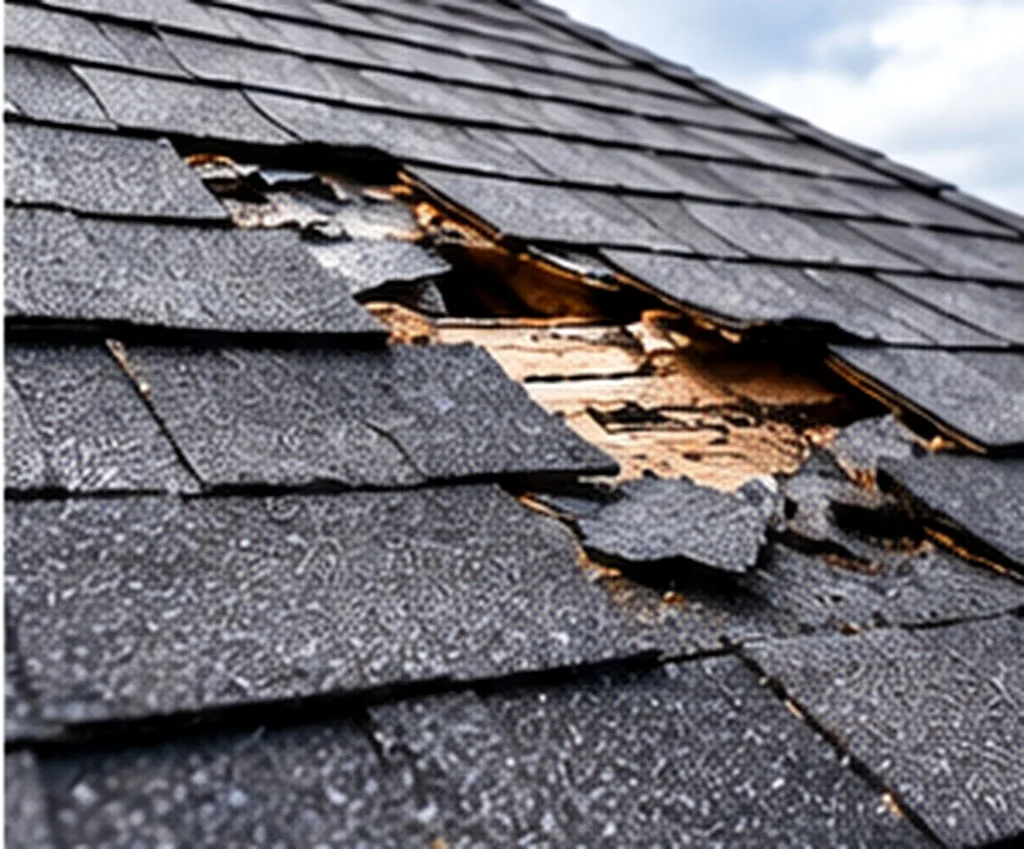
Roof repair fixes localized damage — missing or cracked shingles, failed flashing, damaged vents, or a small leak — without replacing the entire roof. In Colorado, most repair calls follow hail, high wind, or ice damming, and a contractor will usually inspect the full roof before recommending repair over replacement.
What roof repair actually involves
A repair addresses a defined problem area rather than the whole roof system. A contractor typically starts on the ground and in the attic, then goes up to examine the field of the roof, the penetrations, and the drainage path. The goal is to find every point where water can enter — not only the spot where it shows up inside.
Common repair work includes replacing damaged shingle courses, resealing or re-forming metal flashing at walls and chimneys, replacing cracked boots around plumbing vents, repairing or replacing ridge and soffit ventilation, and sealing exposed fasteners. Where decking underneath has rotted, the damaged sheathing is cut out and replaced before new material goes down.
The contractors we refer you to handle the full range of residential work across the state. If the inspection shows the damage is widespread rather than localized, they will talk you through full roof replacement instead, including what that means for an insurance claim.
Common roof problems in Colorado homes
Colorado roofs fail in specific, recognizable ways because of what the climate does to them. Intense ultraviolet exposure at altitude ages asphalt shingles faster than at sea level. Freeze-thaw cycling — warm sun on a cold roof, repeated through winter — works fasteners loose and opens seams. And the Front Range sits in the heart of Hail Alley, which receives the highest frequency of large hail anywhere in North America.
The problems that follow from that pattern are consistent: granule loss that exposes the asphalt mat to UV, bruised or fractured shingles from hail impact, wind-lifted or blown-off shingles along rakes and ridges, failed pipe-boot gaskets that crack after a decade of sun, and ice dams at eaves and valleys that push meltwater backwards under the shingle course.
The repairs that come up most often statewide:
- Missing or lifted shingles after a wind event, usually along ridges, hips and rake edges where uplift is strongest.
- Cracked plumbing vent boots — the rubber collar around a pipe is often the first component on a Colorado roof to fail from UV.
- Failed step and counter flashing where the roof meets a wall, chimney or dormer. Most persistent leaks trace back to flashing, not to the shingles.
- Hail-bruised shingles that have lost their granule surface and are no longer shedding water as designed.
- Ice dam damage at eaves and valleys, common in mountain towns and anywhere with deep attic insulation but poor ventilation.
- Exposed or backed-out fasteners that leave a direct path to the decking.
Signs your roof needs repair
Most roof problems are visible from the ground or the attic well before they produce a ceiling stain. Checking after each significant storm is the single most useful habit for a Colorado property owner, because insurance policies have time limits on when storm damage can be claimed.
Worth getting inspected if you notice any of these:
- Shingle granules collecting in gutters or at downspout outlets — a sign the surface layer is wearing through.
- Daylight visible through the roof deck when you are in the attic.
- Water stains, dark streaks or sagging on upper-floor ceilings.
- Shingles that look bruised, pockmarked or dimpled after a hailstorm.
- Dented soft metal — gutters, downspouts, vents, or a metal patio cover. If those are dented, the roof almost certainly took impacts too.
- Stripped foliage on trees and shrubs around the house after a storm.
- A musty smell or visible mold in the attic, which points to a slow leak or a ventilation problem.
Repair or replace? How contractors decide
The decision usually turns on how widespread the damage is, how old the roof already is, and whether an insurance claim is in play. Localized damage on a roof with plenty of service life left is a straightforward repair. Damage spread across multiple slopes, or a roof already near the end of its life, generally points to replacement.
Insurance changes the calculation. If a storm caused enough impacts per test square across the roof, an adjuster may approve a full replacement rather than a patch — which is why getting a documented inspection before filing matters. Our Colorado roof insurance claim guide walks through how that assessment works and what Colorado law requires of your contractor.
A matching problem can also force the decision. If your shingle line has been discontinued, a repair may be visible from the street, and some homeowners choose replacement for that reason alone.
What affects the cost of a roof repair
We do not quote prices, because the only meaningful number comes from a contractor who has been on your roof. What we can tell you is which factors move the figure, so you can read a quote critically.
Repair pricing is driven by the size and accessibility of the damaged area, roof pitch (steeper roofs need more staging and fall protection, which costs more in labour), the roofing material, how much decking has to be replaced once the old material comes off, and whether the work needs a permit. Multi-storey homes and roofs with complex valleys, dormers or limited ladder access sit at the higher end.
One Colorado-specific point: every roofing project in the state requires a permit from the local jurisdiction before work begins, regardless of the size of the municipality. A quote that omits the permit is not a complete quote.
When to call a professional
Call immediately if water is actively entering the building, if you can see structural sagging, or if a storm has left material hanging loose where it could fall. Active water intrusion gets worse quickly and spreads into insulation, drywall and framing — at that point you need emergency roof repair, not a scheduled appointment.
Call within a few days if you have had hail or high wind, even with no visible interior damage. Storm damage is frequently invisible from the ground, and insurers impose deadlines on claims. A documented professional roof inspection after a storm protects your position whether or not you end up filing.
Do not walk your own roof to check. Colorado roof pitches are often steep, hail-damaged shingles are slick and unstable underfoot, and walking on a compromised roof can turn a repairable problem into a replacement. It is also the most common way homeowners get seriously hurt after a storm.
Whichever situation applies to you, the starting point is the same: an inspection from a contractor who can legally work at your address. We connect property owners with roofing contractors across Colorado across all fifty cities we cover, matched by jurisdiction rather than by whoever happens to be nearest. If you are weighing this service against another option, our overview of Colorado roofing referral service sets out everything we help with.
Roof Repair — common questions
How long does a typical roof repair take?
Most localized residential repairs are completed in a single visit of a few hours. Work that involves replacing rotted decking, rebuilding flashing details or repairing several separate areas can run to a full day. Your contractor should give you a time estimate in writing along with the scope.
Will a roof repair match my existing shingles?
Often, but not always. Shingles weather and fade over time, so new material can look different even when it is the same product. If your shingle line has been discontinued, an exact match may not be available at all. Ask the contractor to show you the replacement material against your existing roof before work starts.
Does homeowners insurance cover roof repair in Colorado?
Sudden damage from a covered peril such as hail or wind is generally covered, subject to your deductible and policy terms. Damage from age, ordinary wear or deferred maintenance generally is not. Colorado law also prohibits a roofing contractor from paying, waiving or rebating your insurance deductible — if a contractor offers to cover it, that is a serious warning sign.
Do I need a permit for a roof repair in Colorado?
Colorado has no statewide roofing licence, but roofing work is permitted at the city or county level, and every roofing project requires a permit from the local jurisdiction before work begins. Your contractor should pull the permit, not you. Requirements vary between municipalities, so a contractor who works in your area regularly will know the local process.
How soon after a hailstorm should I have my roof looked at?
Within a few weeks. Insurance policies limit how long after a storm a claim can be filed, and the connection between a specific storm and your damage gets harder to establish as time passes. An inspection costs you nothing and creates a dated record of the roof condition.
Roof Repair across Colorado
We connect property owners with contractors offering roof repair in every city we cover. These are our busiest areas for this service:
See all 50 Colorado cities we cover →
Related roofing services
Get a free roof repair quote
Call and we will connect you with an independent local roofing contractor covering your area.
(720) 791-0495Mon–Fri 7am–7pm · Sat 8am–5pm · Sun 9am–4pm (MT)